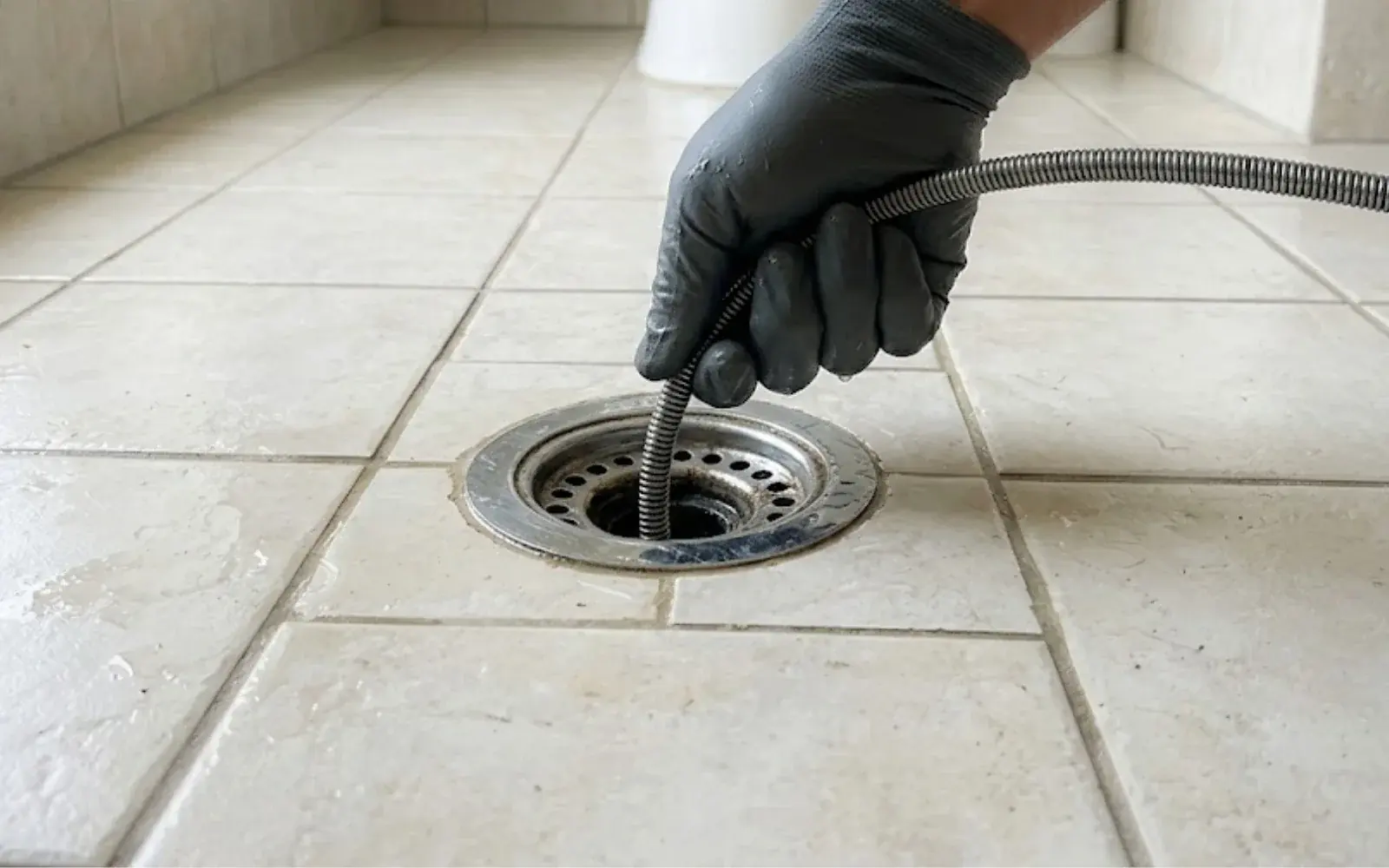
Enzyme drain cleaners use bacteria or enzymes to digest organic matter in a drain. They are slower than a chemical opener and gentler on pipes, which makes them popular for slow sinks and regular maintenance. They are not magic, and they will not clear a fully blocked drain or a clog made of hair and soap. Knowing what they do keeps you from waiting on a product that cannot help.
What an enzyme cleaner can break down
Enzymes target organic buildup such as grease, food particles, starch and soap film. That is the slime that lines kitchen drains and slows them over months. A product designed for this works best with regular use. It acts overnight, when the drain sits unused and the enzymes have time to work.
It does not dissolve hair, plastic, cloth, mineral scale or roots. It also will not remove a solid clog that blocks the pipe.
| Problem | Enzyme cleaner | Better option |
|---|---|---|
| Slow kitchen sink with grease film | Can help over several uses | Cable and clean the branch if it stays slow |
| Hair in a tub drain | Does not work | Pull the hair or cable the drain |
| Complete clog | Too slow | Plunger, auger or a plumber |
| Roots in the main line | No effect | Cable, jet and repair the joint |
| Odor from a drain | Often helps | Clean the trap and check the vent |
| Mineral scale | No effect | Descale or replace the pipe |
Clog not budging? Call and a plumber will clear it.
Call (860) 397-8103How to use one properly
Follow the label. Most products call for pouring a measured dose into the drain at night and leaving it undisturbed for several hours. Do not mix an enzyme cleaner with a chemical opener. Chemicals kill the bacteria and can create dangerous reactions with other products.
Use warm water, not boiling water, to flush after the dose. Boiling water can kill the bacteria and may damage some pipes and fixtures. Repeat monthly if you want maintenance.
Why chemical openers are a bad trade
Caustic cleaners can heat pipes, eat through some materials and leave a hazardous standing liquid in the drain. If they fail, the next person to work on the drain, often a plumber, has to deal with the chemical. Enzyme products avoid that, which is a good reason to try them before reaching for anything harsh.
If you have already used a chemical opener and the drain is still blocked, tell the plumber when you call. It affects how we handle the job safely.
Drains, sewers and trees in Windsor
Windsor is an MDC member town. A kitchen sink drain connects to a house drain and then to a lateral that meets the MDC sewer main at the street. A slow sink that keeps returning, even after treatment, may point to a problem farther down the line, such as a sag, grease buildup or roots at a joint.
Heavy rain can also stress sewers. The town's hazard planning documents note flooding along several brooks in Windsor, and flood-related backups are more likely in low-lying areas. If your drains slow only during storms, that is a sign the cause is not in your kitchen sink.
Source type: MDC member-town information and the Capitol Region Council of Governments hazard mitigation plan annex for Windsor.
When to stop experimenting
If two or more fixtures are slow, if a floor drain gurgles or if the same sink clogs every month, stop with the products. The problem is in a line, not a trap. A cable and a camera will tell you more than another bottle will.
Our drain cleaning service handles those calls, and sewer camera inspection shows the pipe interior when repeated clogs point to something structural.
Preventing slow drains
Wipe greasy pans with a paper towel before washing. Use a strainer in the kitchen sink and a hair catcher in the shower. Flush only toilet paper. Run hot tap water for a minute after washing dishes. Small habits keep drains clear.
We clear drains throughout the region, including in East Hartford and Bloomfield.
A simple monthly routine
Choose one evening a month. Clear standing water, pour a measured dose of the enzyme product into the drain and leave it overnight. In the morning, flush with warm water, not boiling. Skip the dishwasher and the disposal that night so the product stays where it can work.
Pair it with the habits that do most of the work. Wipe greasy pans first, use a strainer, and run hot water for a minute after washing up. If the drain is still slow after two or three rounds, the problem is not film on the pipe, and a cable or camera is the next step.
How enzyme cleaners compare with other options
A cable or hand auger removes a clog physically and works immediately. A plunger pushes a blockage along and works on traps. An enzyme product digests slime over time and prevents buildup. Hot water and dish soap help with light grease. Each tool has a job, and they work best in combination.
Think of the enzyme as maintenance and the cable as repair. Using the wrong one is the usual reason people give up on a product that actually works for its purpose.
Safety rules for drain products
Never mix drain cleaners, and do not combine them with bleach or ammonia. Fumes can injure you. Wear gloves and eye protection, ventilate the room and read the label. Do not use a chemical cleaner and then plunge or auger, since splashes can burn. If a product gets on skin or in eyes, rinse and call Poison Control at 1-800-222-1222.
Frequently asked questions
They work on organic buildup such as grease and food film, slowly and with regular use. They do not clear hair or a solid blockage.
Not right away. Chemicals can kill the bacteria. Flush the drain well first.
Generally gentler than caustic products. Use as directed.
Many call for an overnight dose, with repeated use over days or weeks for heavy buildup.
When more than one fixture is slow, when water backs up or when the clog returns.
Plumbing problem that cannot wait? Call the 24/7 line.
Call (860) 397-8103